What Is a Portable Toilet?
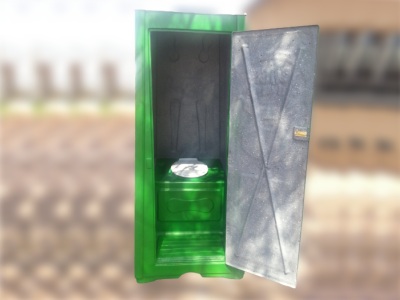
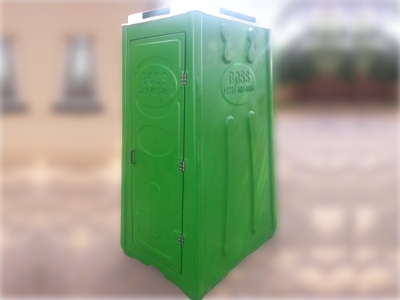
A portable toilet is a self-contained sanitation unit designed to provide temporary restroom facilities without plumbing connections. These toilets are easy to transport, install, and maintain, making them ideal for outdoor use. Most portable toilets come with built-in waste tanks, ventilation systems, and hand sanitizing options, ensuring cleanliness and comfort even in remote areas.
Portable toilets are commonly used at outdoor events, construction sites, parks, farms, and emergency relief areas. They’re built from high-quality materials like polyethylene or fiberglass, offering durability and easy cleaning.
Benefits of Buying a Portable Toilet
1. Convenience Anywhere: One of the main advantages of portable toilets is convenience. They can be placed anywhere — from open fields to parking lots — ensuring that users have access to clean restroom facilities regardless of location.
2. Promotes Hygiene and Sanitation: Portable toilets help maintain hygiene standards by preventing the spread of germs and bacteria. Most models come equipped with waste tanks, flushing mechanisms, and even handwashing stations to keep users safe and clean.
3. Cost-Effective Solution: Renting a portable toilet can be costly over time, especially for long-term use. Buying a portable toilet is a smart investment that pays off in the long run, especially for businesses or organizations that frequently need sanitation facilities.
4. Environmentally Friendly: Modern portable toilets are designed to be eco-friendly. Many use chemical treatments that break down waste efficiently while minimizing odors and environmental impact.
5. Easy Maintenance: Portable toilets require minimal maintenance. With regular cleaning and waste disposal, they remain fresh and functional for extended periods. Many models feature detachable tanks for effortless emptying and cleaning.
Types of Portable Toilets For Sale
When searching for portable toilets for sale, it’s essential to know the different types available. Each type is designed for specific uses and user needs.
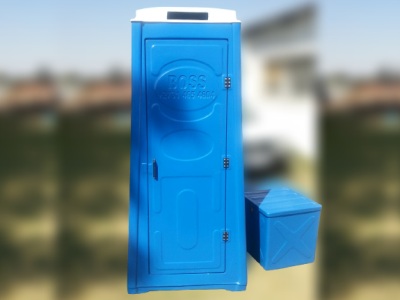
1. Standard Portable Toilets: These are the most common types found at construction sites and public events. They come with a seat, waste tank, and ventilation pipe. Simple yet functional, these toilets are perfect for short-term outdoor use.
2. Luxury Portable Toilets: Ideal for weddings, corporate events, and VIP gatherings, luxury portable toilets offer comfort and style. They include features like flush systems, sinks, mirrors, lighting, and even air conditioning.
3. Portable Toilets with Handwashing Stations: These units come with built-in handwashing stations or sanitizer dispensers, promoting better hygiene. They are ideal for areas where sanitation is a top priority.
4. Wheelchair Accessible Portable Toilets: Designed to accommodate individuals with disabilities, these toilets feature wider doors, grab bars, and spacious interiors for wheelchair access.
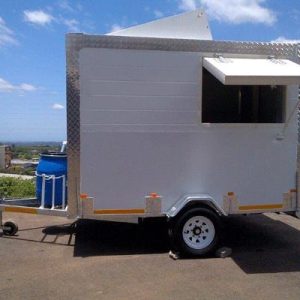
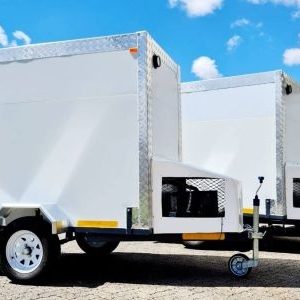
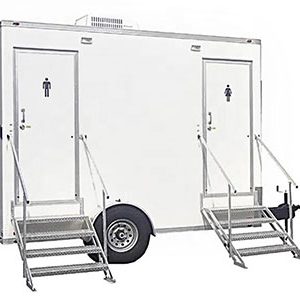
5. Trailer-Mounted Portable Toilets: These are mobile units built on trailers, making them easy to transport between locations. They are perfect for large-scale events, film sets, or construction projects requiring frequent relocation.
Choosing the Right Portable Toilet
Before purchasing a portable toilet, consider the following factors to ensure you get the best model for your needs:
1. Purpose of Use: Decide where and how you’ll use the toilet — construction site, event, camping, or commercial purpose. Each use case requires specific features and capacities.
2. Capacity and Tank Size: For high-traffic areas, choose a model with a large waste tank to reduce the frequency of emptying. Smaller models work well for personal or short-term use.
3. Material and Build Quality: Look for toilets made from durable materials like high-density polyethylene. These materials resist damage, odor retention, and UV exposure.
4. Ease of Cleaning: Choose a model with detachable tanks and smooth surfaces for quick cleaning and maintenance.
5. Portability: If you frequently move between locations, opt for a lightweight or trailer-mounted model for easy transport.
Frequently Asked Questions (FAQs)
1. How long can a portable toilet be used before it needs to be emptied
The frequency of emptying depends on the size of the waste tank and how many people use it. Generally, a standard portable toilet can handle around 100–150 uses before it needs servicing. For high-traffic areas, it’s recommended to empty it daily or every other day.
2. Are portable toilets safe and hygienic to use?
Yes, modern portable toilets are designed with hygiene and safety in mind. They use non-toxic deodorizing chemicals, have sealed waste tanks, and feature proper ventilation systems to control odors and prevent contamination.
3. Can I use portable toilets in cold or hot weather conditions?
Absolutely. Portable toilets are built to withstand various weather conditions. In cold areas, anti-freeze chemicals can be added to prevent freezing. In hot climates, ventilated designs help manage odor and temperature effectively.
4. What is the lifespan of a portable toilet?
With proper maintenance and cleaning, a good-quality portable toilet can last anywhere from 5 to 10 years. Durability depends on material quality, frequency of use, and how well it’s cared for.
5. How do I clean a portable toilet?
Cleaning involves emptying the waste tank, rinsing with water, and applying recommended cleaning agents. Many manufacturers also sell biodegradable deodorizers and disinfectants that make the process easy and environmentally friendly.